As part of our 10th anniversary celebration, members of the Rebus Board reflected on the “why” behind their open work. Hear from Amanda, Caitlin, and Hugh below, along with a few of their Favourite Open Things!
Amanda Coolidge, Rebus Board Member
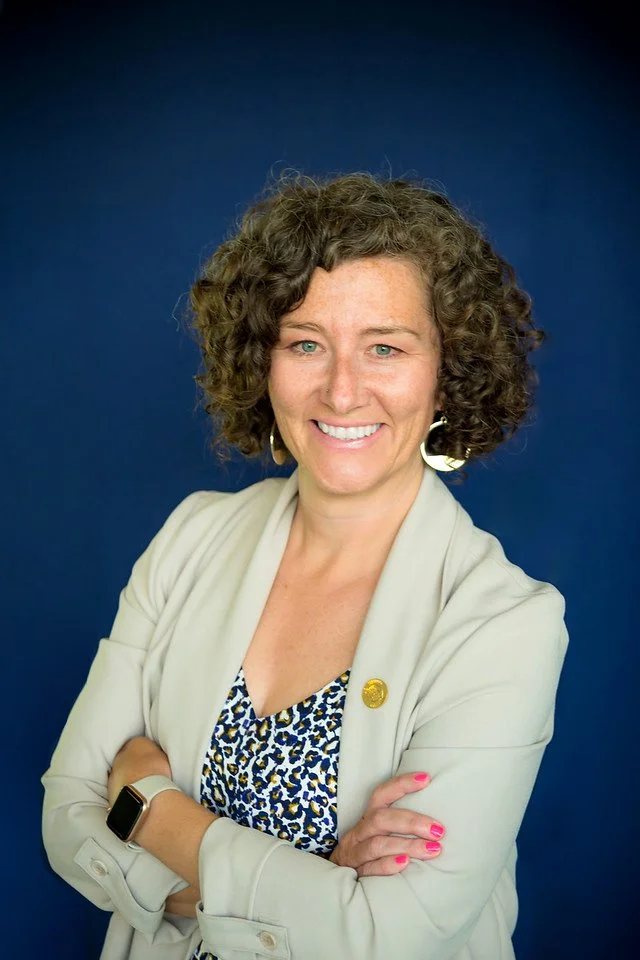
I grew up moving. I was born in Washington, DC, and because my dad was in the Foreign Service, we lived in England, Poland, Pakistan and Guatemala before I went to university in Nova Scotia. Every few years I was the new kid, learning a new place and trying to work out where I fit.
School was the one constant. It’s where I felt safe, and where I watched people grow into leaders. Living in Poland and Pakistan, and later working in Kenya, also showed me how restrictive education can be. If your family had money, you got to learn. If you had to work full time, you mostly didn’t. That happens in North America, too.
So when I found open education, it made sense right away. Open is never static. It keeps growing and changing, and I’ve always done well in that kind of environment. More than that, it makes knowledge available to people who would otherwise be shut out.
My “why” is about two things: access and belonging. Free textbooks matter, but I also want students to see themselves in what they learn, including Indigenous, LGBTQ and international perspectives, and to feel seen and heard.
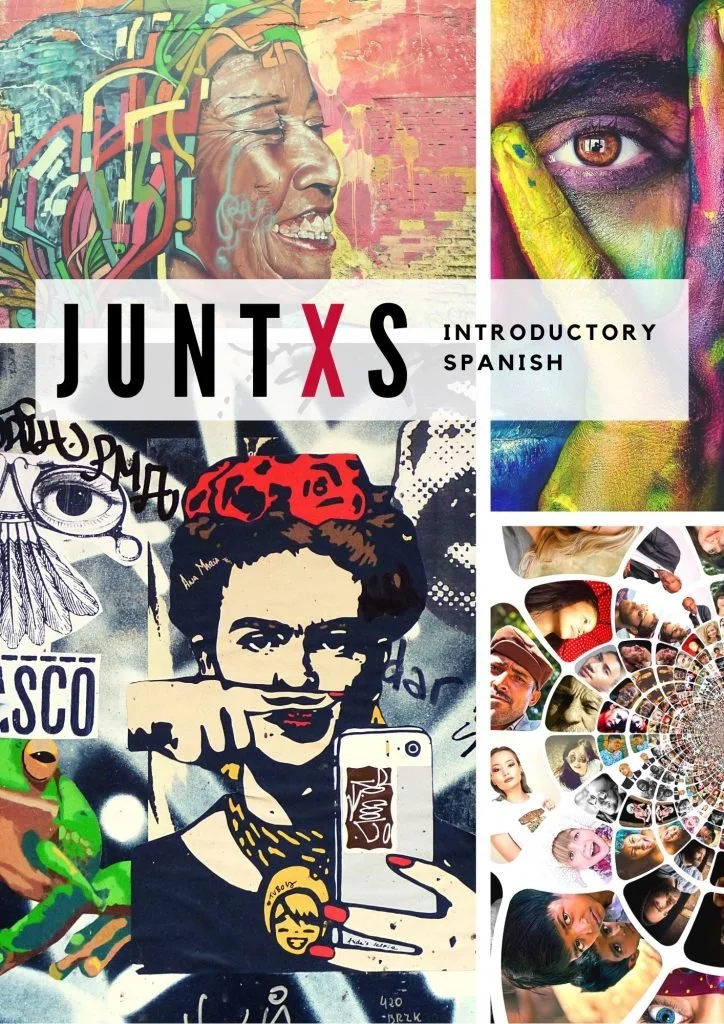
JUNTXS: Introductory Spanish by Adriana Diaz was created through The University of Queensland. JUNTXS begins by acknowledging the intersectional diversity of Spanish-speaking people from around the world and strives to reflect those differences throughout its lessons. It is divided into two sets of four modules, which are designed to fit into two semesters. Modules are media-rich and include a wide variety of audio, video, and interactive content.
JUNTXS is noteworthy for its creative use of both H5P and other embedded content. It features memory games, interactive videos, dialog cards with built-in audio, slides and other presentation tools, matching and multiple-choice questions, and other H5P elements. It also features some surprising uses of embedded media. For instance, each module ends with a Spotify playlist of Spanish-language songs related to the content of the module. The content is immersive, varied, and engaging. These modules succeed in their stated goal to “fuel our curiosity, encourage active reflection on our own and others’ ideas and perspectives, and to stretch our social, political and ecological imagination in general, as well as in relation to the study of the languages and cultures of the Spanish-speaking world.”
Caitlin Gunn, Rebus Board Member
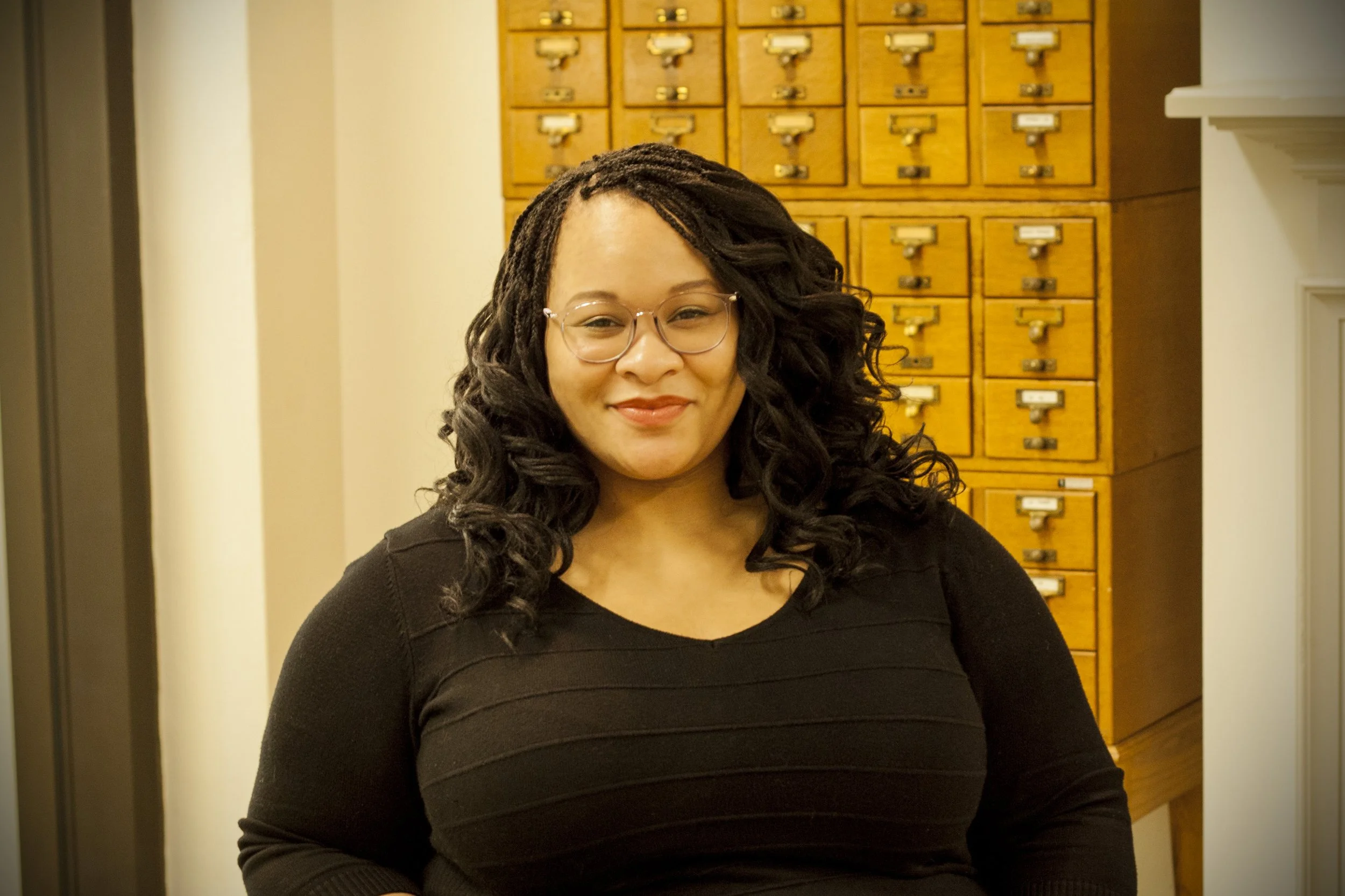
I came to open education through my commitments to Black feminist thought and liberatory pedagogy, particularly questions of who gets to produce knowledge and whose expertise is recognized. For me, open education is about much more than removing paywalls (although access certainly does matter). It's also about giving educators and learners more agency in how knowledge is created, shared, and used. I love that open education invites us to experiment with what teaching materials can look like and to create resources that others can adapt, build upon, and make their own.

I'd love to highlight Twine, a free, open-source tool for creating interactive stories and games. We've been using it at the Pedagogy Lab to develop speculative fiction games that invite students to explore literature through play, decision-making, and world-building. I think it's a great example of how open tools can expand our imagination of what teaching and learning materials can be, while giving educators and students the freedom to experiment and create.
Hugh McGuire, Rebus Co-Founder & Board Chairperson
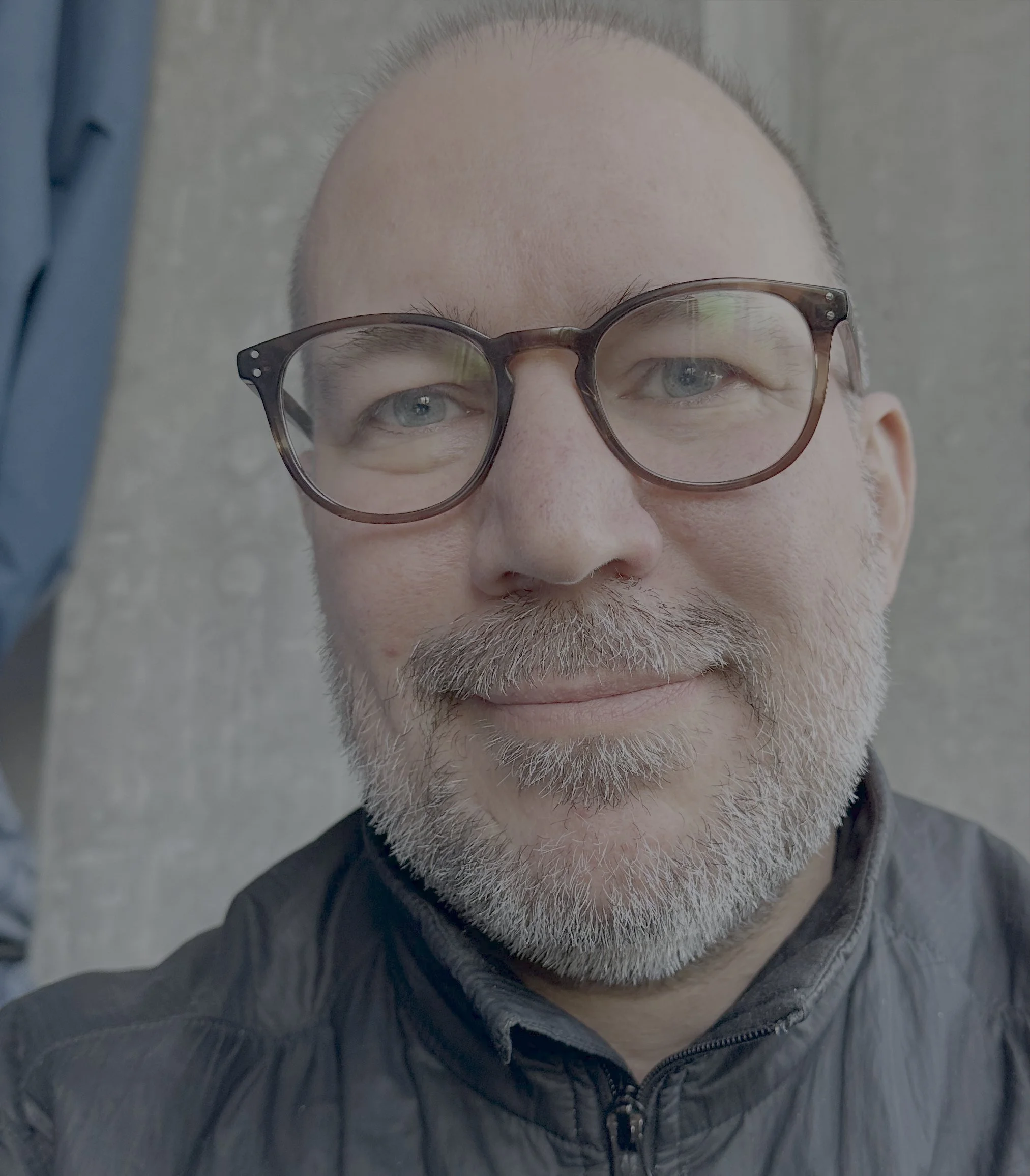
I am happier living in a world where the tools and information people need to build things that make the world better, for themselves, and for their community, are not limited by their financial resources.
I just love Introduction to Neuroscience by Dr. Valerie Hedges at Michigan State… such a well designed and thought-out book!
